
Is PDF Still the Best Document Format? (Spoiler: It's Complicated)
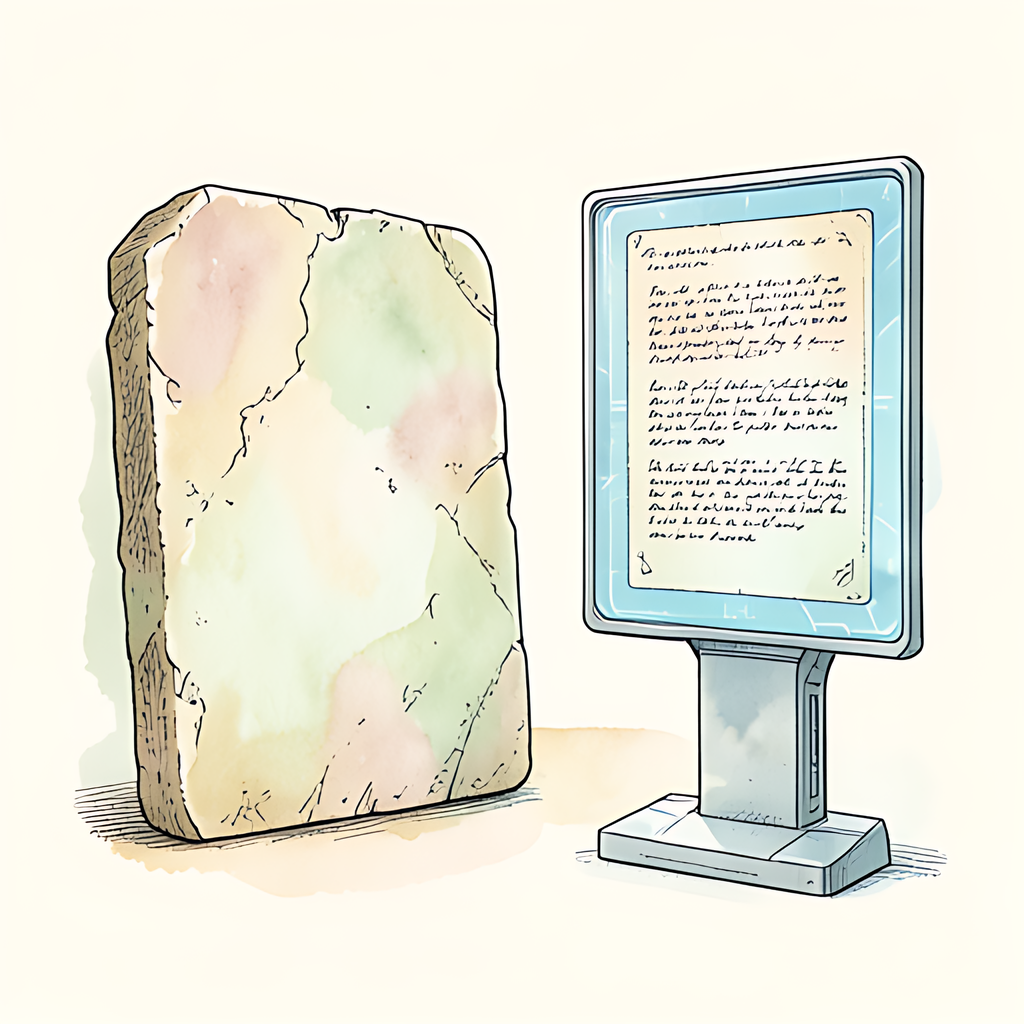
In tech years, the early 1990s were the prehistoric era. Web browsers were barely learning to display inline images, floppy disks ruled the office, and dial-up modems screeched like robotic pterodactyls. Yet out of that digital soup emerged an invention that stubbornly refuses to step aside: the Portable Document Format. Three decades later, humanity still generates billions of these files every single year. We sign mortgages with them, archive sensitive tax filings in them, and pinch-to-zoom through them on pocket supercomputers. But in an era dominated by fluid web apps, interactive pages, and live cloud collaboration, is our favorite digital paper still the apex predator of document formats? The short answer is yes. The longer answer is delightfully complicated.
The Enduring Genius of Frozen Pixels
To understand why the format survives, one must remember the office computing nightmare that preceded it. Back then, sending a text document to someone running a different operating system or word processor was visual Russian roulette. Fonts vanished, margins collapsed into black holes, and neat financial tables reassembled themselves into abstract modern art. When a major software pioneer invented a standardized way to freeze typography, layout, and graphics onto an unalterable digital page, it felt like witchcraft.
That visual immutability remains an unbeatable superpower. Industry estimates suggest over 2.5 trillion such documents circulate globally today across servers, desktop drives, and cloud backups. When a court files an injunction, a government agency issues a regulatory mandate, or an engineer reviews structural blueprints, nobody wants a fluid, responsive layout. You do not want a paragraph wrapping unpredictably on a smartphone screen to displace an engineering tolerance or a critical legal clause. The format succeeded because it promised that what you see on your screen is exactly what prints on physical paper - anywhere on Earth, on any device.
PDF 2.0: Teaching an Old Format Modern Tricks
Critics frequently complain that the format is an archaic dinosaur built for a print-first universe that no longer exists. For years, those skeptics had a fair point. Older document files struggled with reflow on mobile screens, lacked accessibility tags for screen readers, and bloated email inboxes with monstrous file sizes. However, the underlying technology did not stay trapped in amber.
Now maintained by an international standards organization rather than a single proprietary vendor, modern specifications like PDF 2.0 have dragged digital paper firmly into the modern computing era:
- Accessible document architecture: Modern semantic tagging allows screen readers to navigate complex tables, headings, and alternative image descriptions effortlessly.
- Rich media and 3D modeling: Technical documents can now natively embed interactive 3D engineering models and vector artwork without requiring clunky third-party plugins.
- Hardened cryptographic security: State-of-the-art encryption algorithms and verifiable digital signatures satisfy the strictest legal evidentiary standards worldwide.
- Guaranteed digital longevity: Specialized long-term archival profiles guarantee that a signed contract created today will render with exact fidelity two centuries from now.
Why the Web Never Quite Killed Digital Paper
Every few years, an energetic cohort of software developers proclaims that modern web standards - HTML5, dynamic cascading stylesheets, and electronic book containers - will finally make digital paper obsolete. Why cling to a rigid file container when a responsive web page flows smoothly across any screen size imaginable?
The fundamental catch is permanence. Web pages are living, fluid, and inherently ephemeral organisms. A webpage relies on remote stylesheets, external font delivery networks, and shifting database backends. Anyone who has ever clicked the "Print to PDF" button on a dynamic web page knows the resulting disaster: floating navigation bars obscuring text, missing page breaks, and fragmented tables cut in half.
A document container, by contrast, is completely self-contained. It bundles its own typography, vector geometries, raster graphics, and color definitions into a single transportable package. It does not require an active internet connection or a remote server to tell it how a sentence should look. For formal agreements, legal filings, and official records, that independent permanence is irreplaceable.
The format is certainly not without headaches. It can feel rigid, it remains awkward to edit on small mobile screens, and high-resolution images can quickly turn files into massive attachments. Yet its core advantages - universal compatibility, immutable visual fidelity, and worldwide legal recognition - ensure it is not going anywhere.
The secret to living happily with digital paper today is pairing it with lightweight, privacy-conscious utilities. Rather than installing bloated desktop programs or uploading sensitive contracts to third-party cloud servers, you can handle everyday document tasks directly inside your browser. For example, when high-resolution scans leave you with an unwieldy file that bounces back from an email server, running it through the client-side PDF compress tool on pdfb2.io shrinks file size in seconds while keeping your confidential data safely on your machine.
Digital paper might be past its thirtieth birthday, but when combined with modern browser-based tools, it remains the most dependable format we have.
Disclaimer: This article is for informational purposes only and does not constitute legal, professional, or compliance advice. Always consult qualified professionals for specific guidance.
Ready to Try PDFb2?
Process your PDFs privately in your browser — 2 free downloads per day, no account needed. Your files never leave your device.
Try PDF Tools Free