Is PDF Still the Best Document Format? (Spoiler: It's Complicated)
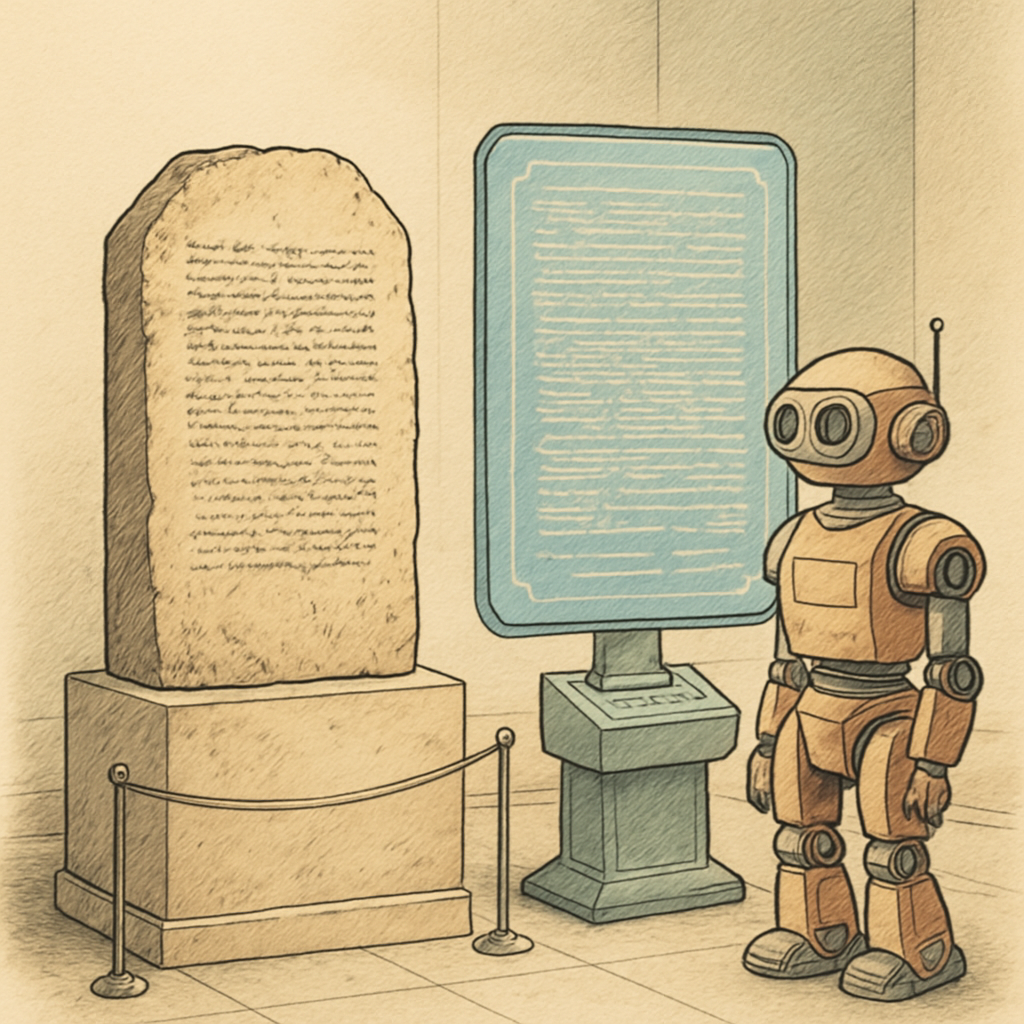
Remember when we thought email would replace paper? Or when cloud storage would eliminate the need for file formats altogether? Well, here we are in 2024, and PDF - a technology first released in 1993 - is still hanging around like that friend who overstays their welcome at parties but somehow remains indispensable. The question isn't whether PDF is dead. It's whether it's still the best solution for our increasingly digital, privacy-conscious world.
The Zombie Format That Refuses to Die
Let's start with some perspective. Approximately 2.5 trillion PDF files exist globally, and businesses create an estimated 20 million new PDFs every day. Banks use them, governments mandate them, and your great-aunt Carol probably has at least three unread PDFs in her email right now. By any measure, PDF is wildly successful - almost comically so for a format older than the internet itself.
But success doesn't equal optimality. PDF was designed in an era when documents meant static, printed representations of information. Today's digital landscape looks completely different. We work across devices, collaborate in real-time, and increasingly demand that our tools respect our privacy. So where does PDF fit in this brave new world?
The honest answer: it's complicated, and that's actually okay.
PDF 2.0 and the Format's Mid-Life Upgrade
One of the most underrated developments in recent years is PDF 2.0, released by the International Organization for Standardization in 2020. While it didn't generate the hype of a new iPhone, it genuinely modernized the format for contemporary needs.
PDF 2.0 introduced several meaningful improvements:
- Enhanced security protocols and encryption standards
- Better support for interactive and dynamic content
- Improved accessibility features for users with disabilities
- More efficient compression methods
- Enhanced metadata handling and document management capabilities
These upgrades matter because they address legitimate criticisms about PDF's limitations. A major government agency recently shifted to PDF 2.0 for official documentation, and financial institutions are increasingly adopting the newer standard for secure transactions. The format isn't static - it evolves, albeit slowly and methodically.
That said, PDF 2.0 adoption remains sluggish among general users. Many tools and applications still default to older PDF versions, which creates a frustrating gap between what's possible and what's practical.
The Great Format Wars: Who's Competing Against PDF?
In one corner, you have web-based formats like HTML5 and progressive web applications that offer interactivity, responsiveness, and dynamic functionality. In another corner sits emerging document standards designed specifically for cloud collaboration. Meanwhile, various proprietary formats from major tech companies continue to splinter the digital document ecosystem.
Here's what's interesting: none of these alternatives have successfully dethroned PDF for its core use case - creating a universally readable, reliably formatted, tamper-evident document.
Why? Because PDF's biggest strength is also its most underrated feature: consistency. A PDF looks essentially identical whether you open it on a smartphone from 2015 or a laptop from 2024. It doesn't reflow randomly. It doesn't lose formatting. It doesn't suddenly demand you install three browser plugins just to view it properly. In a world drowning in compatibility issues, this predictability is genuinely valuable.
Web formats excel at dynamic content but struggle with archival and legal compliance. Proprietary formats offer rich functionality but lock users into specific ecosystems. PDF offers a boring, reliable middle ground - and boring, reliable is vastly underrated.
The Privacy Angle: Where PDF Gets Its Second Wind
Here's where PDF's renaissance gains real momentum: privacy. As regulatory frameworks like GDPR and CCPA reshape how organizations handle sensitive documents, PDF's ability to work locally without requiring cloud uploads becomes increasingly appealing.
Unlike many modern document platforms that analyze your files on remote servers, PDF processing can happen entirely on your device. This matters for lawyers handling confidential cases, healthcare providers managing patient records, and anyone processing sensitive personal information. The format doesn't inherently require surveillance capitalism to function.
This is precisely why privacy-focused tools have proliferated around PDF processing. Users can compress PDFs, merge documents, extract images, and even sign forms - all without uploading files to third-party servers. The format's age becomes an advantage: it's so established that truly local processing is feasible and robust.
The Verdict: Boring, But Correct
Is PDF the best document format for every situation? No. Is it the best format for creating reliable, portable, privacy-preserving documents that work across virtually every device and platform? Absolutely yes.
PDF won't be disrupted by flashier competitors because it's not trying to be flashy. It's trying to solve a specific problem - create a document that looks the same everywhere - with remarkable consistency. That's not exciting. But it works, and in technology, sometimes that's the greatest achievement.
The future of PDF isn't about replacing other formats or acquiring new capabilities. It's about remaining dependable while slowly, steadily modernizing through standards like PDF 2.0. Think of it as the vinyl record of digital documents - not because it's trendy, but because it genuinely does something well that newer alternatives haven't convincingly replaced.
If you work with PDFs regularly, consider how you're currently processing them. If you're uploading sensitive files to cloud-based tools, you might appreciate the privacy benefits of browser-based alternatives that process files locally on your device. Tools like pdfb2.io offer solutions for common PDF tasks - including the ability to compress PDFs without ever sending your files to external servers. Sometimes the old format with modern, privacy-respecting tools is exactly what you need.
Disclaimer: This article is for informational purposes only and does not constitute legal, professional, or compliance advice. Always consult qualified professionals for specific guidance.
Ready to Try PDFb2?
Process your PDFs privately in your browser — 2 free downloads per day, no account needed. Your files never leave your device.
Try PDF Tools Free