Medical PDFs Are Leaking Patient Data in Ways Nobody Checks
Your doctor just emailed you a scan of lab results. Looks innocent enough, right? Wrong. That innocent-looking PDF might be quietly carrying your social security number, insurance details, and enough personal health information to make identity thieves weep with joy. And nobody - and I mean nobody - is checking for it.
Healthcare organizations handle roughly 2 billion patient records annually, yet studies suggest that over 60% of organizations have experienced at least one healthcare data breach in the past five years. The irony? Many of these breaches don't involve hackers rappelling down skyscraper windows. They involve PDFs that look completely harmless but are actually digital time bombs packed with sensitive metadata.
The Hidden Metadata Problem: Your Patient Data's Secret Diary
When a medical document gets converted to PDF - whether it's a discharge summary, prescription, or imaging report - it doesn't just contain the visible text. No sir. It also carries invisible baggage called metadata: creation dates, author information, software used, editing history, and sometimes even the original file location.
Think of metadata as the PDF's confessional booth. It remembers everything, tells all, and most people have no idea it exists. A doctor's office might strip the patient's name from a shared document, but the metadata still whispers details like "Created by Dr. Jane Smith at Mercy Hospital on Tuesday, 2:30 PM." That's enough to identify the medical institution, the treating physician, and potentially cross-reference which patients were seen at that exact time.
But metadata is just Act One of this privacy thriller.
EXIF Data and Embedded Images: The Photos Within the Photos
Medical PDFs often contain scanned documents or photographs of X-rays, lab results, and other images. Here's where it gets spicy: those embedded images frequently retain EXIF data - essentially a digital diary that includes GPS coordinates of where the photo was taken, device information, and timestamps.
Imagine a patient's medical imaging study embedded in a PDF with intact EXIF data. Now someone with modest technical skills can extract that image and see exactly which clinic or hospital captured it, right down to the coordinates. That's not just a privacy leak; that's a targeted privacy explosion.
Even worse, form PDFs in healthcare systems often contain hidden form field values - data that's technically in the document but invisible on screen. A medical form might display only the visible checkbox for "diabetes," but the underlying code contains years of historical diagnoses, medication lists, and insurance claim numbers. You could remove the visible content and still leave all the sensitive data intact.
Why This Matters More Than You Think
Healthcare data isn't just personal - it's intimate. Your medical history reveals things you probably wouldn't share with casual acquaintances: mental health diagnoses, reproductive health decisions, medication regimens. In the wrong hands, this information enables identity theft, insurance fraud, blackmail, or discrimination.
The regulatory landscape tries to protect this information. Healthcare compliance standards exist specifically because patient privacy breaches have real consequences. Yet many organizations and individuals remain blissfully unaware that their "secure" PDF workflows are leaking data through channels nobody's monitoring.
Taking Control: Clean Those Medical PDFs
The good news? You can take action. Before sharing any medical PDF - whether you're a healthcare provider, administrator, or patient forwarding documents to an insurance company - scrub the metadata and hidden data from your documents.
This means:
- Removing or stripping metadata before sharing files
- Redacting sensitive information visibly and ensuring no hidden data remains
- Converting scanned images to remove embedded EXIF coordinates
- Reviewing form fields to eliminate hidden patient data
The process should be straightforward and privacy-respecting - ideally using tools that process documents locally without uploading anything to external servers. After all, you're trying to protect patient data, not broadcast it to the cloud.
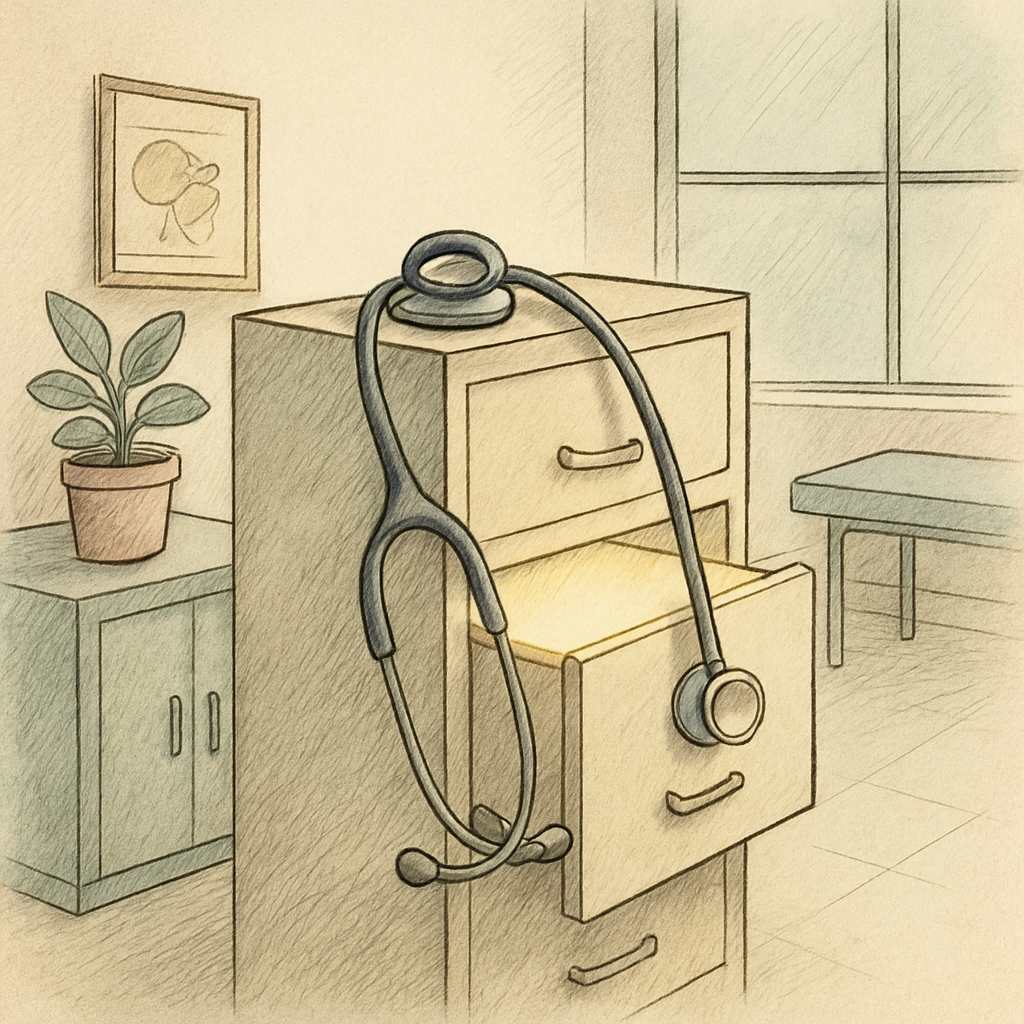
Medical PDFs containing patient data deserve the same security protocols as locked filing cabinets - but many organizations treat them like loose papers in a coffee shop. It's time to change that. Start by auditing your document workflows and ensuring sensitive medical PDFs are properly cleaned before they leave your organization.
Ready to take control of your medical documents? Tools like pdfb2.io offer privacy-focused PDF utilities including a powerful redaction tool - all running entirely in your browser with zero server uploads. Your patient data deserves better than hope and prayers.
Disclaimer: This article is for informational purposes only and does not constitute legal, professional, or compliance advice. Always consult qualified professionals for specific guidance.
Ready to Try PDFb2?
Process your PDFs privately in your browser — 2 free downloads per day, no account needed. Your files never leave your device.
Try PDF Tools Free