
E-Discovery and PDF Metadata: The Legal Nightmare That Keeps Giving
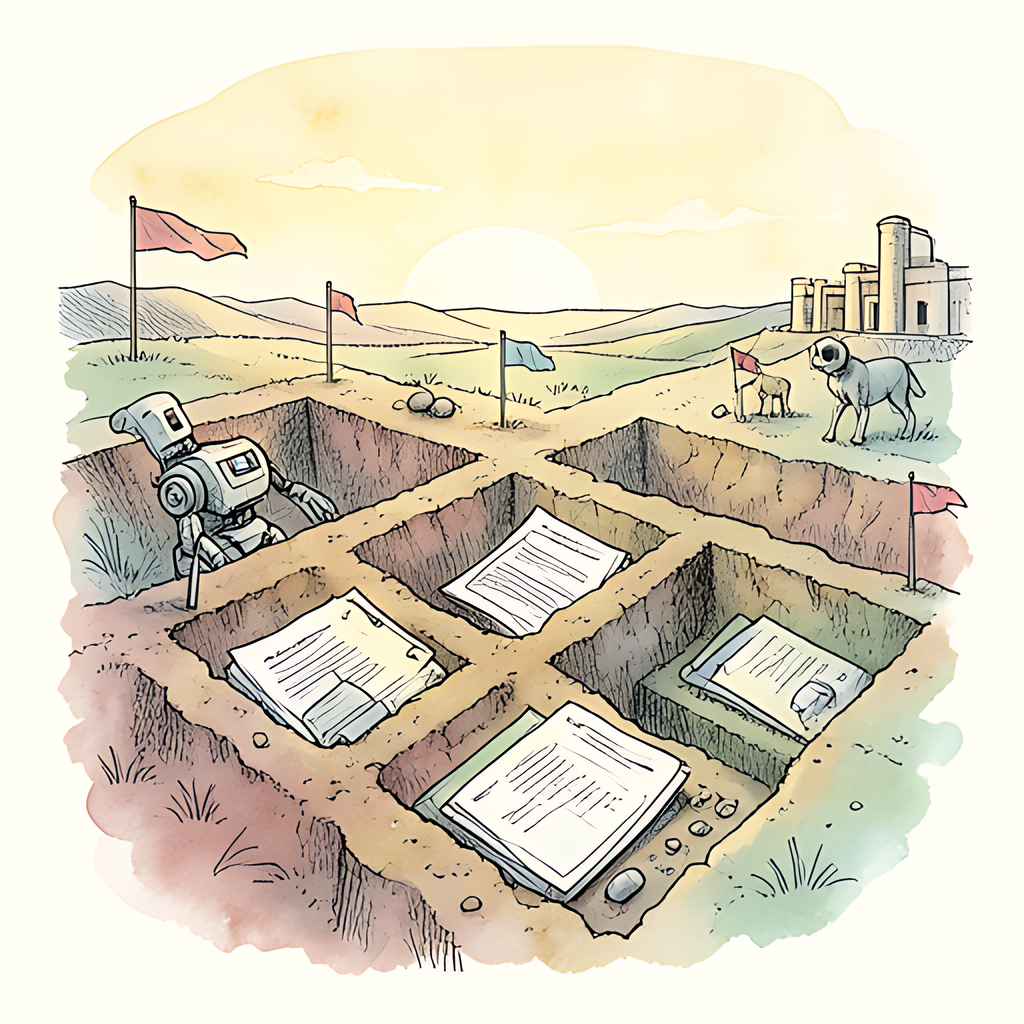
A PDF can look like the picture of composure. Its metadata, meanwhile, may be telling a much livelier story about when the document was created, which software touched it, and whether its polished appearance is a recent development. In e-discovery, that hidden context can become evidence. Mishandle it, and the dispute may expand from what the document says to what happened to the document itself.
PDF metadata: The witness that came with the file
Metadata is information about a file or its contents. A PDF may contain a title, author name, creation and modification dates, application information, and other properties. Some information is embedded in the PDF; other details, such as file system timestamps, can depend on where and how the file is stored.
These details can help legal teams investigate authenticity, reconstruct a timeline, identify potential custodians, or understand how a document was generated. They can also raise questions: Why does a reported creation date differ from the surrounding correspondence? Was a PDF exported from a source document after the events at issue?
But metadata is a clue, not an all-knowing narrator. Dates can change during copying or conversion, author fields can reflect software settings rather than the actual writer, and properties can be edited. A careful investigation compares metadata with other evidence and documents how the file was collected. A suspicious timestamp deserves a follow-up, not a courtroom monologue.
Production format matters too. A rendered PDF may not retain all the information available in an original electronic file. Under Federal Rule of Civil Procedure 34, parties can address the form of production in their requests and responses. Discuss relevant metadata and production formats early, rather than assuming every PDF tells the whole story.
Preservation: Please stop tidying the evidence
When litigation is pending or reasonably anticipated, preservation obligations can arise. The precise trigger and scope depend on the jurisdiction and circumstances, so involve counsel promptly. A legal hold can help identify relevant people, systems, files, and routine deletion practices that need attention.
Preservation is not simply saving a PDF under a reassuring filename. Opening, editing, exporting, printing to PDF, or transferring a file can alter or discard information. Even well-intentioned housekeeping can make it harder to establish what existed and when.
For a defensible preservation process:
- Identify potential sources. Consider shared drives, email, local devices, cloud repositories, and source files alongside PDFs.
- Preserve before processing. Keep an untouched copy where appropriate, and work from a separate copy when review or conversion is necessary.
- Document the journey. Record who collected the file, when and how it was collected, where it was stored, and what was done to it.
- Coordinate on format. Ask counsel and technical specialists which native files, metadata fields, or other information should be preserved and produced.
- Revisit the hold. Follow up as custodians, systems, and the scope of the dispute change.
A metadata editor can be useful for routine document management, but it is not a substitute for a preservation workflow. If a PDF may be relevant to a dispute, do not clean, change, or remove its metadata without direction from counsel.
Metadata spoliation: When the cleanup becomes the case
Spoliation is the loss or destruction of evidence that should have been preserved. Metadata can be affected even when the visible document survives. For example, converting a file or replacing an original with a modified copy may remove information that another party needed to investigate its history.
In US federal litigation, Federal Rule of Civil Procedure 37(e) addresses electronically stored information that should have been preserved, was lost because reasonable preservation steps were not taken, and cannot be restored or replaced through additional discovery. If the court finds prejudice, it may order measures no greater than necessary to cure it. More severe measures, including certain adverse inference instructions, dismissal, or default judgment, require a finding that a party acted with intent to deprive another party of the information's use in litigation.
That does not mean every altered timestamp leads to sanctions. Courts apply the rule to the facts, and other jurisdictions may use different standards. The practical lesson is less dramatic and more useful: preserve what matters, record your process, and raise problems promptly rather than hoping nobody notices.
Take the next step: Review your PDF handling practices before a dispute tests them. For ordinary, non-preservation document tasks, pdfb2.io offers browser-based tools, including a metadata tool, that run locally without uploading files to a server. Keep potentially relevant evidence untouched unless counsel directs otherwise.
Disclaimer: This article is for informational purposes only and does not constitute legal, professional, or compliance advice. Always consult qualified professionals for specific guidance.
Ready to Try PDFb2?
Process your PDFs privately in your browser — 2 free downloads per day, no account needed. Your files never leave your device.
Try PDF Tools Free