Remote Work Made PDF Security Everyone's Problem
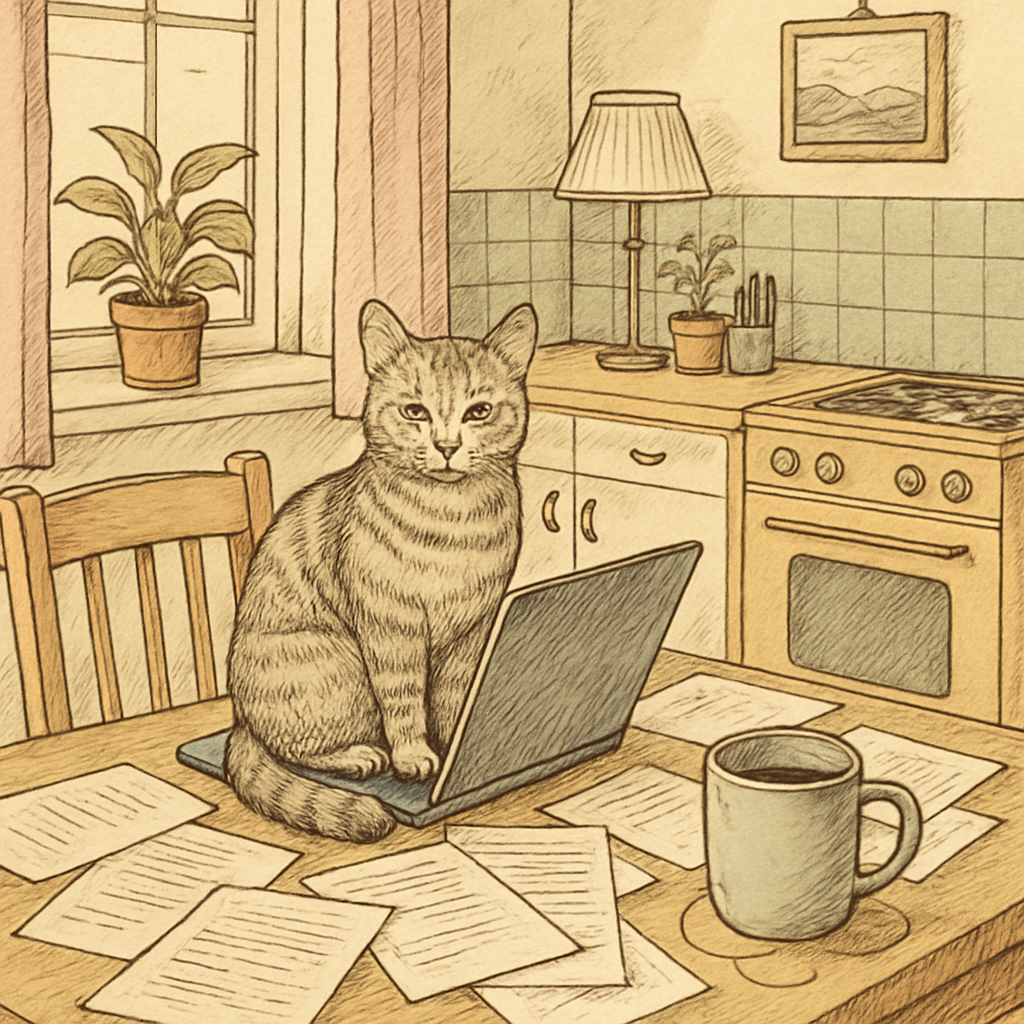
Remember when sensitive PDFs lived in a locked office folder and only one person had the key? Those days are gone. Remote work turned corporate documents into digital snowflakes - they get copied, forwarded, annotated, and lost across home routers, personal laptops, and email threads. The result is a PDF pandemic of its own, where keeping control of sensitive files feels like trying to herd cats through a Wi-Fi hotspot.
Home Networks, Personal Devices, and the New Wild West of PDF Security
Remote work blurred the boundary between corporate networks and living rooms. Many people now handle work PDFs on home Wi-Fi and personal devices - recent surveys show that roughly 60-70% of employees access work files from non-corporate machines. That adds layers of risk: unpatched routers, weak passwords, and roommates who think printers are shared community assets.
Combine that with the reality that employees often open and edit PDFs offline. A PDF that used to be secured behind enterprise controls can now be edited on a tablet, saved to a personal drive, or printed and left on a kitchen counter. Each copy is another potential leak. The more copies that exist, the lower the chance of keeping sensitive data confidential.
Email Attachments, Collaboration Chaos, and the Copy Explosion
Email proliferation is a major vector for PDF exposure. People send attachments because it is fast and familiar - a survey-style figure many teams would recognize is that over 60% of document sharing still happens via email or direct attachments. That means confidential PDFs get duplicated in inboxes, saved to downloads folders, and forwarded without context or controls.
Collaboration tools helped productivity, but they also made it easy to lose track of the canonical copy. One person annotates a PDF, another prints a version, and a third uploads an edited file to a cloud folder. Before long, you have five versions of the same contract, each with a different signature status and access list. Version sprawl equals security risk.
How to Make PDF Security Part of Everyone's Workflow - Practical Steps
Security can no longer be a checkbox for IT. It is a shared responsibility that needs practical, low-friction steps to succeed in remote teams.
- Limit copies - Treat PDFs like sensitive paper. Before sharing, ask if the recipient truly needs a full, editable copy or just a view-only snapshot.
- Use password protection and permissions - Apply passwords to prevent unauthorized opening, and set permissions to stop printing or editing when appropriate.
- Redact before you share - Remove sensitive fields rather than relying on visual hiding. Redaction makes it harder for accidental exposure to resurface in copies.
- Keep a single source of truth - Label the canonical file clearly and keep collaborative edits in a controlled environment when possible.
- Train with short, practical guidance - A two-minute checklist on secure PDF sharing is more effective than a 50-page policy no one reads.
A simple remote-work PDF checklist
- Do I need to share an editable PDF or will a secured, flattened copy do?
- Can I password-protect and restrict printing before sharing?
- Have I redacted sensitive data permanently?
- Is there a clear owner for version control and retention?
Making these steps part of your daily workflow reduces accidental exposure and gives teams a shared language for document security.
It is worth remembering that good security is often simple: fewer copies, clearer ownership, and basic technical controls. While no single measure is a silver bullet, a combination of password protection, redaction, and mindful sharing cuts the most common risks.
If you want tools that respect privacy and keep files on your device, consider browser-based options that handle PDF tasks without uploading files to external servers. For a privacy-first approach to protecting files, check out pdfb2.io - the site offers a suite of in-browser PDF utilities including a Protect tool that can add passwords and permissions locally, without sending your documents anywhere. Small habits plus the right tools make PDF security a team sport, not an IT guilt trip.
Disclaimer: This article is for informational purposes only and does not constitute legal, professional, or compliance advice. Always consult qualified professionals for specific guidance.
Ready to Try PDFb2?
Process your PDFs privately in your browser — 2 free downloads per day, no account needed. Your files never leave your device.
Try PDF Tools Free