Your PDF's Secret Location Tracker: Why EXIF Data in Images Is Your Privacy Enemy
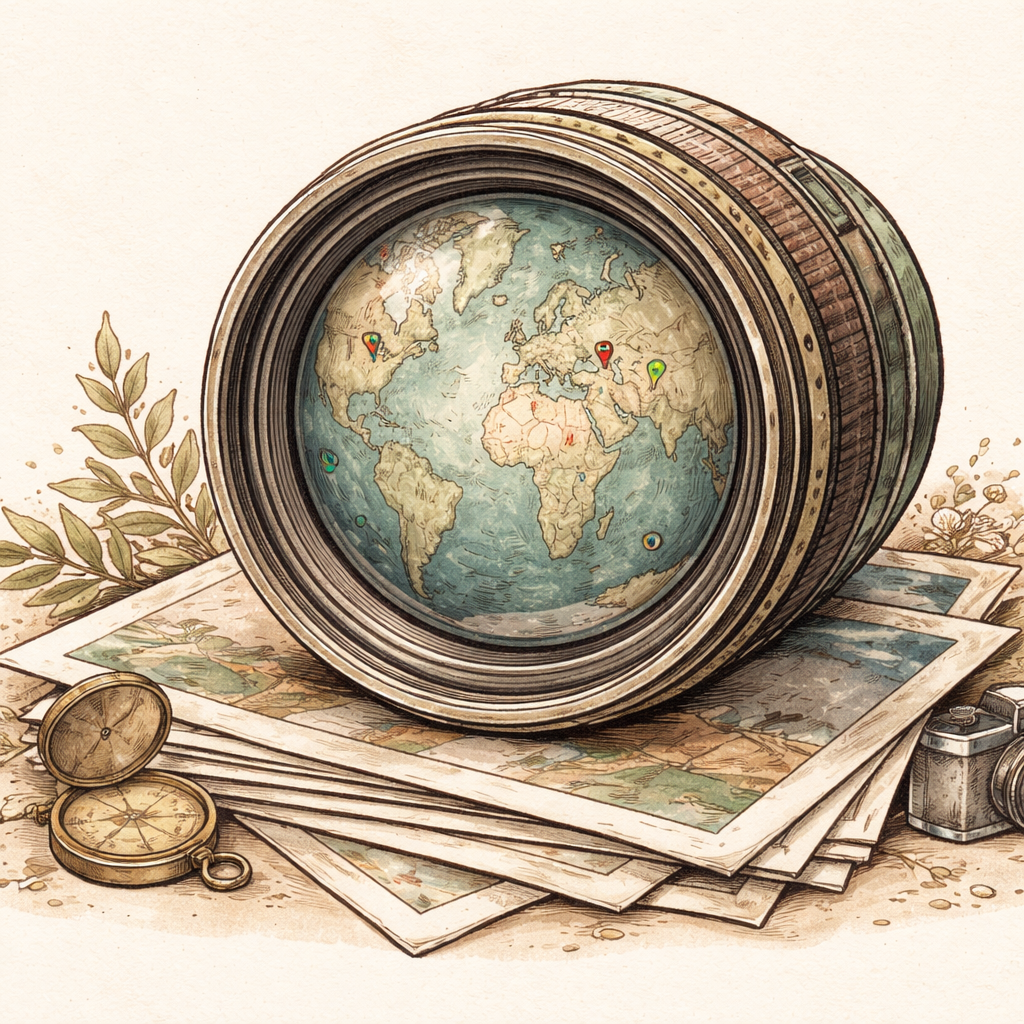
You hit send on that PDF and feel a gentle sense of accomplishment. What you don't realize is that buried inside every image within that document is a invisible trail of breadcrumbs - complete with GPS coordinates, timestamps, and camera model information - that could pinpoint exactly where you were standing when you took the photo. Welcome to the world of EXIF data, where your PDFs are accidentally outing your location to anyone savvy enough to look.
What Is EXIF Data, and Why Should You Care?
EXIF (Exchangeable Image File Format) is metadata automatically embedded in digital images by cameras and smartphones. Think of it as a digital signature that captures not just what's in the photo, but crucial contextual information: the exact date and time the photo was taken, camera settings, focal length, and - most invasively - GPS coordinates pinpointing the precise latitude and longitude where you stood.
When you embed images into a PDF, this metadata typically travels along for the ride. A study by privacy advocates found that approximately 73% of images shared online still contain detectable EXIF data, many of which include geolocation information. That seemingly innocuous PDF you shared with colleagues, clients, or the public could be leaking your home address, office location, or sensitive facility coordinates to anyone who extracts the images and checks their metadata.
The privacy implications are genuinely unsettling. Journalists covering sensitive topics, domestic violence survivors documenting injuries, employees in security roles, protesters organizing peacefully - they've all had their locations exposed through careless EXIF data. A major tech platform once saw user locations compromised when staff photos were shared without proper metadata stripping, creating security vulnerabilities for employees working in undisclosed locations.
When Your PDF Becomes a Location Beacon
The danger amplifies when you consider what EXIF data reveals in combination with other context. Consider these real-world scenarios:
- A real estate agent shares property photos in a PDF listing - EXIF data reveals the address of every inspection visit they made that day
- A consultant prepares a case study PDF with before-and-after facility images - embedded coordinates identify all their client locations
- A non-profit documents human rights investigations with geotagged photos in their report - EXIF data exposes the exact locations of vulnerable communities they're assisting
- A personal injury claim includes medical facility photos - timestamps and GPS data establish a detailed timeline of your movements
Even more troublingly, EXIF data persists through PDF sharing. Unlike email attachments that users might think about checking, PDFs feel like static, sealed documents. Yet when someone extracts images from your PDF, they're accessing the full original metadata. Tools exist (many legitimate, some less so) that can rapidly scan PDFs for embedded images and extract EXIF coordinates, creating searchable databases of locations without your knowledge.
How to Strip EXIF Data Before Your PDF Goes Public
The good news? Removing EXIF data before embedding images in PDFs is straightforward. Most smartphone and computer operating systems include built-in privacy features that disable location tagging. If you're creating PDFs from images, several approaches work effectively:
- Desktop tools can batch-process images to remove all metadata before you convert them to PDF
- Browser-based solutions now offer image-to-PDF conversion with automatic metadata stripping, keeping everything on your device with no server uploads
- Image editing software includes export options specifically for removing EXIF information
- Manual metadata editors let you inspect and selectively remove specific fields if you want to preserve creation dates but lose GPS coordinates
The most privacy-conscious approach combines two practices: first, disable automatic geotagging on your devices before taking photos; second, actively strip metadata from images before embedding them in any document you'll share beyond your immediate trusted circle.
Best practice suggests treating EXIF removal like spell-checking - it should be automatic before any document leaves your control. One overlooked photo in a hundred-page PDF can compromise your entire privacy posture. The effort required to clean this data is genuinely minimal compared to the privacy cost of not doing it.
Take Control of Your Document's Privacy
Your PDFs deserve the same privacy consideration you'd give to any sensitive information. Before sharing any document containing images - especially PDFs shared publicly or with external parties - take a moment to consider what metadata might be hitchhiking along.
If you regularly work with images in PDFs, consider using tools specifically designed for privacy-conscious document creation. Services that handle image-to-PDF conversion entirely in your browser, without uploading files to any server, eliminate the risk of metadata exposure during the conversion process itself. PDFb2.io offers browser-based PDF tools including image-to-PDF conversion that runs entirely on your device, ensuring your metadata stays private throughout the process.
Disclaimer: This article is for informational purposes only and does not constitute legal, professional, or compliance advice. Always consult qualified professionals for specific guidance.
Ready to Try PDFb2?
Process your PDFs privately in your browser — 3 free downloads, no account needed. Your files never leave your device.
Try PDF Tools Free