The GPS Coordinates Hiding in Your PDF Images
You've just finished editing that important document, embedded a few photos, and hit send. Congratulations - you've potentially just broadcast your home address, the exact timestamp of when you took those photos, and what camera model you're using to everyone who receives that PDF. Welcome to the hidden world of EXIF data, where your images are basically chatty little GPS beacons wrapped in a layer of false security.
The Invisible Metadata Problem: What's Really in Your Photos
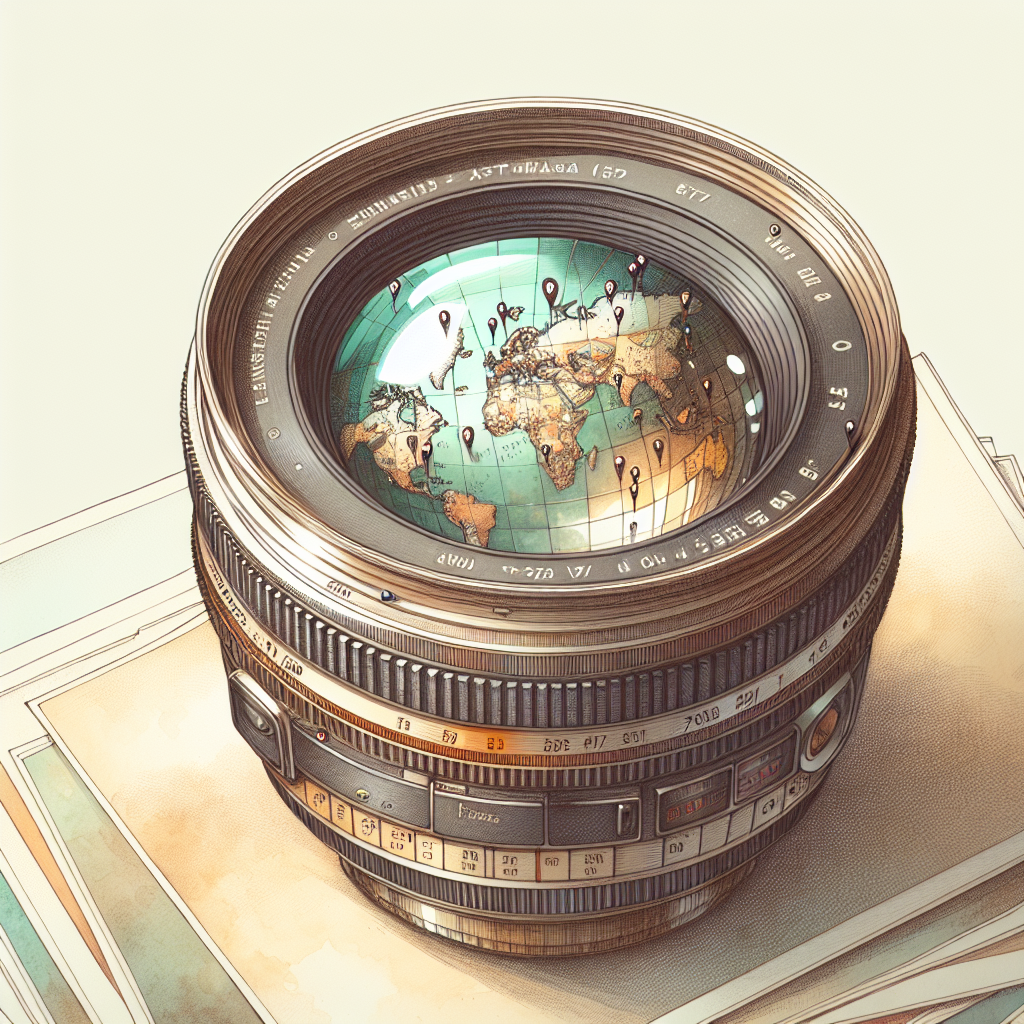
Most digital cameras and smartphones automatically embed metadata into every image they capture. This data, known as EXIF (Exchangeable Image File Format), includes far more than just the picture itself. We're talking GPS coordinates, altitude, camera model, lens information, ISO settings, flash usage - basically a forensic biography of the photo's creation.
Here's where it gets spicy: when you embed these images into a PDF document, that EXIF data often comes along for the ride. A seemingly innocent PDF about a local community project? It might contain GPS coordinates pinpointing exactly where it was taken. A real estate listing with a photo embedded in a PDF? Now potential buyers know the photographer's travel route and where they were standing.
Research suggests that roughly 73% of digital images shared online contain EXIF metadata, and most people have no idea. Even more alarming, studies have shown that over 40% of PDFs containing images retain this sensitive information after sharing.
Privacy Implications: From Embarrassing to Dangerous
The privacy concerns range from mildly awkward to genuinely concerning. Let's break down the real-world implications:
- Location Tracking: Journalists, activists, and vulnerable individuals could be tracked to their exact locations. A whistleblower sharing a confidential document? Guess what - their location is now embedded in it.
- Pattern Analysis: Multiple PDFs with embedded photos create a trail showing where someone travels regularly - home addresses, workplaces, favorite restaurants.
- Device Fingerprinting: Camera model and serial numbers can potentially be used to identify specific individuals or link various documents together.
- Timestamp Exploitation: The exact time a photo was taken can be cross-referenced with other data to build detailed timelines of someone's movements.
A major tech company once had to issue an apology after users discovered that images shared through their platform retained full EXIF data, revealing the home coordinates of several public figures. This wasn't malicious - it was just... forgotten. And that's the problem: most people simply don't think about it.
Stripping the Data: Taking Control of Your PDFs
The good news? You don't need to live in a state of perpetual privacy paranoia. Removing EXIF data from images before converting them to PDFs is straightforward, and you can do it entirely within your browser without uploading anything to anyone's servers.
The process is simple: clean your images first, then convert them to PDF. Modern tools allow you to remove all metadata while keeping the image quality intact. This takes seconds and requires no technical expertise beyond clicking a button or two.
When selecting a tool, prioritize solutions that process everything locally in your browser. This means your sensitive images never leave your device - they're not traveling to some distant server, being scanned, stored, or analyzed. Your privacy stays yours.
The Bottom Line
PDFs feel safe because we've been trained to think of them as static, finalized documents. But when they contain images with EXIF data, they're more like tiny surveillance reports wearing a business suit. Before you share any PDF with embedded images - whether it's with colleagues, clients, or the public - take a moment to strip that metadata.
Your future self (and your personal security) will thank you for being paranoid enough to care about invisible data. If you're ready to take control, pdfb2.io offers a free image-to-PDF tool that runs entirely in your browser, giving you complete privacy over your files while you clean and convert your images without any server uploads.
Disclaimer: This article is for informational purposes only and does not constitute legal, professional, or compliance advice. Always consult qualified professionals for specific guidance.
Ready to Try PDFb2?
Process your PDFs privately in your browser — 3 free downloads, no account needed. Your files never leave your device.
Try PDF Tools Free