The Timestamp Trap: Why PDF Dates Are Evidence in Disguise
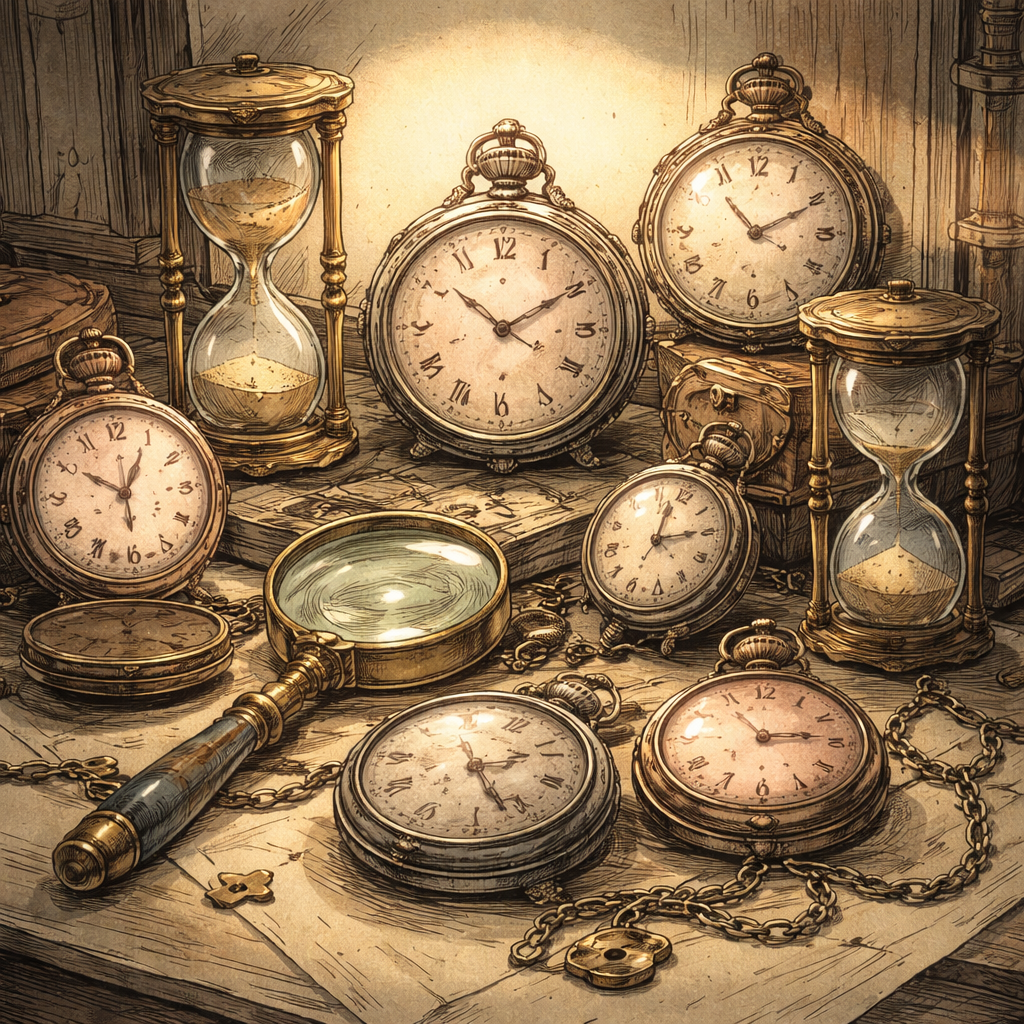
Your PDF has a birthday. Actually, it has several birthdays - created on Tuesday, modified on Thursday, printed on Saturday. Like a digital Dorian Gray, your document ages in ways you might not expect, and those timestamps tell stories that nobody asked it to tell. In litigation rooms and fraud investigations across the country, these seemingly innocent dates have become star witnesses. And like all witnesses, they can be unreliable.
The Forensic Gold Standard: Why Timestamps Matter in Court
Imagine a contract dispute. Party A claims they sent the document on January 15th. Party B insists it arrived on January 22nd. The PDF's metadata sits there, silently stubborn, with a creation date of January 17th. In approximately 60% of document-related litigation cases, metadata becomes the deciding factor when word-of-mouth evidence contradicts the paper trail.
PDF timestamps serve multiple purposes in legal proceedings:
- Proof of execution - When did someone actually sign that contract?
- Chain of custody - Has this document been altered since its original creation?
- Chronological ordering - Which version came first in a series of revisions?
- Authenticity verification - Is this really the original document, or a cleverly disguised copy?
Courts treat PDF metadata with the same weight as traditional evidence because it's supposed to be immutable - generated automatically by the system, not subject to human whimsy. A timestamp that emerges from the operating system itself, many judges reason, can't lie. Except when it does.
The Dark Art of Timestamp Manipulation: It's Easier Than You Think
Here's the uncomfortable truth: manipulating PDF timestamps is remarkably straightforward. You don't need sophisticated hacking tools or a computer science degree. A determined person with basic technical knowledge can alter creation dates, modification times, and author information with freely available software.
The manipulation techniques fall into several categories:
- File system tampering - Simply changing your computer's system clock before opening a PDF in editing software
- Metadata editing - Using specialized tools to directly rewrite the document's embedded metadata fields
- Document recreation - Creating a new PDF from the original and deliberately setting false timestamps during the export process
- Binary file modification - Editing the PDF code itself to alter timestamp values (requires more technical skill, but entirely possible)
What makes this particularly insidious is that most PDF readers don't prominently display metadata. The average person opening a document in their standard PDF viewer has no idea when it was truly created or last modified. The information is there, buried in the document properties, essentially invisible to casual observation.
How Forensic Analysts Play Digital Detective
Forensic document examiners have developed techniques to sniff out tampering. They don't simply trust the timestamps - they investigate them like a detective questioning a suspicious alibi.
Cross-reference analysis is the primary method. Analysts examine multiple timestamp fields within the PDF - not just the obvious creation and modification dates, but also embedded printer timestamps, signature timestamps, and metadata timestamps. A manipulated document often contains internal contradictions. If the creation date says January 10th but the signature timestamp says January 5th, something's amiss.
System artifact verification involves checking the device that created the document. Operating system logs, backup files, and temporary file caches can all contain timestamp information that contradicts a manipulated PDF. If a company's server logs show no activity on the date a document claims to have been created, that's a red flag the size of a billowing sail.
Content analysis also plays a role. References to future events in a document dated before those events occurred, or software version numbers that didn't exist at the claimed creation date, can expose fraudulent timestamps. It's like claiming you wrote about a movie that didn't premiere until five years after your document's creation date.
Additionally, forensic experts examine the PDF's internal structure itself. PDFs contain multiple layers of metadata - some generated automatically, some manually inserted. Inconsistencies between these layers signal manipulation.
Why Privacy and Transparency Matter Here
The tension between document integrity and privacy is real. On one hand, we need robust metadata to prevent fraud and establish authentic timelines in legal proceedings. On the other hand, embedded metadata can expose sensitive information - who edited a document, when they edited it, what software they used, even their computer's name or username.
This is why understanding your PDFs' metadata is crucial. Before sharing a document externally, you should know what information you're inadvertently sending along. A redacted document that hasn't had its metadata scrubbed still contains the author's name and timestamps of when sections were modified. Someone reviewing your PDF can see the entire edit history - helpful for forensic investigators, potentially embarrassing or exposing for organizations handling sensitive information.
If you're working with PDFs that contain sensitive information, tools that let you inspect and clean metadata while keeping everything on your own device (rather than uploading to remote servers) become essential. You maintain control over your document's hidden information while still being able to verify authenticity when needed.
PDF timestamps aren't going anywhere. As long as documents carry legal weight, their timestamps will matter. The key is understanding that they're not immutable truth - they're evidence that requires careful scrutiny. Trust, but verify. And always, always know what your documents are actually saying beneath the surface.
Want to explore what your PDFs are hiding? PDFb2.io offers a metadata editor tool that runs entirely in your browser, letting you inspect and manage PDF metadata without uploading files to any server. See exactly what information your documents are carrying around.
Disclaimer: This article is for informational purposes only and does not constitute legal, professional, or compliance advice. Always consult qualified professionals for specific guidance.
Ready to Try PDFb2?
Process your PDFs privately in your browser — 3 free downloads, no account needed. Your files never leave your device.
Try PDF Tools Free